



Showing 241–252 of 296 businesses
Most new puppy owners have googled "puppy school near me Melbourne or puppy pre-school Melbourne" or scrolled through suburb-specific searches, hoping someone would just tell them what's actually offered and what it costs. Instead, everyone promises the same thing: early socialisation, foundation training, and happy puppies.
Few explain what that means week to week, or how to spot the difference between a good program and a mediocre one.
Puppy school is structured early training designed to teach your puppy basic skills, social confidence, and handling while they are still young enough to learn without fear. This guide helps you compare what’s available across the region, understand what puppies actually learn, and choose a program that fits your pup’s temperament and your routine.
A well-run puppy school Melbourne program covers more than cute tricks. Puppies develop resilience, impulse control, and familiarity with handling before learned anxiety sets in.
Most structured classes focus on:
Puppies exposed to varied environments, sounds, people, and gentle restraint during the critical socialisation window (8 to 16 weeks) develop more stable temperaments. A good puppy pre school Melbourne session includes:
The best programs teach owners what to reinforce at home. Between-class homework consistency with commands, managing play, setting boundaries—determines long-term results more than the classes themselves.
Not all early puppy training looks the same. Location, format, and group size each affect cost, results, and fit for your dog.
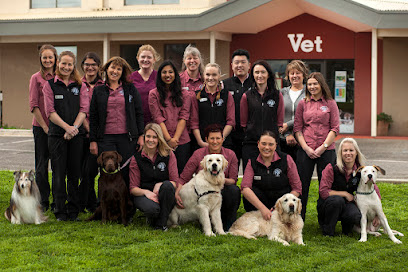
Veterinary clinics often run puppy school programs, sometimes included with or discounted for vaccine clients.
Advantages:
Drawbacks:
Most dedicated puppy training school Melbourne providers run group sessions in studios or training centres. Classes run for 4–6 weeks with the same group.
Advantages:
Drawbacks:
One-on-one sessions suit puppies with fear, aggression, or special needs, or owners wanting intensive guidance.
Advantages:
Drawbacks:
Puppy school options exist across the metro, though availability and cost vary by suburb.
From Thornbury to Eltham, the northern suburbs have several established training centres and vet-based programs. A puppy school in the northern suburbs of Melbourne typically costs less than inner-city classes but may require a short drive. Check whether the venue suits your pup’s temperament—some venues allow off-lead free play, while others keep puppies on lead the entire session.
Western suburbs schools, from Footscray to Sunshine, range from private trainers running small group classes to larger facilities. Availability fluctuates, especially during the summer rush when puppy owners are keen to start before the school holidays. A puppy school in the western suburbs of Melbourne is worth trying if they have clear cancellation and make-up policies.
South-east Melbourne, including Caulfield, Glen Waverley, and Bentleigh, has dense trainer networks due to high dog ownership. A puppy school in south-east Melbourne fills up quickly, and prices are on the higher end. Book early if you have specific dates in mind.
Comparing programs means more than asking friends for a recommendation. The best fit depends on your pup’s age, temperament, and your training goals.
Ask whether your instructor holds a Certificate III or IV in Animal Studies, or an equivalent professional qualification in animal behaviour or dog training. This isn’t a licensed trade in Australia, so asking is essential. Also ask how many litters they have trained and how they handle fearful or reactive puppies.
Small groups (under 6 pups) allow more individual attention and handling. Larger classes suit confident, social puppies but offer less one-on-one coaching. Ask how much time is spent on free play versus structured work, and whether owners get homework or feedback between sessions.
Most classes require proof of at least the first dose of the vaccine. Confirm the policy before enroling if your pup’s vaccine schedule doesn’t align with the start date. Also ask whether they exclude pups showing signs of illness—responsible trainers do.
Some programmes emphasise reward-based learning and play. Others focus on obedience and control. Neither is wrong, but your pup’s response matters. Attend a session before committing to see whether the trainer’s style aligns with your goals.
At what age can my puppy start puppy school? Most classes accept puppies from 8 to 16 weeks, once the first vaccine is due. Starting early maximises the socialisation window, but puppies of different ages should not mix in the same session. Check whether the program runs age-specific groups.
How often should my puppy attend puppy school? A weekly session for 4–6 weeks is standard. Some puppies benefit from two classes per week if they are anxious or highly reactive. Consistency matters more than frequency.
What if my puppy is scared or shows signs of shutdown during class? Tell the instructor immediately. A good trainer will modify the session or offer private sessions instead. Forcing a fearful pup into group classes often worsens anxiety rather than building confidence. Discuss alternatives if your pup is retreating or refusing to engage.
