

Showing 1–12 of 12 businesses
Search for "cat adoption Perth," and you will find a mix of large shelters, smaller rescue groups, and foster carer networks, each with its own fees and application process. This page helps you compare those options side by side, so you can find a cat that suits your home rather than just the first one you see online. Perth cat adoption can feel overwhelming when every group runs a separate waitlist, application form, and fee structure. Here you will find where to look, what the costs usually cover, and how to pick a cat that fits your life.
Cats are rehomed through three main channels: registered shelters, rescue groups, and foster carer networks. Each suits a different timeline and adopter type.
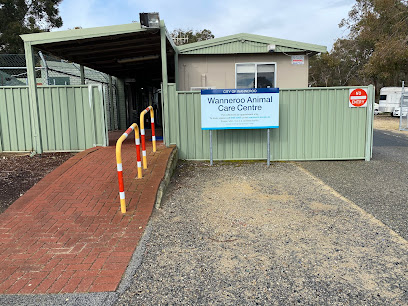
A large cat adoption centre Perth families often start with is Cat Haven in Shenton Park, alongside RSPCA WA. These centres house many cats at once, list them online, and let you meet several in a single visit. They handle desexing, microchipping, and vaccination before rehoming.
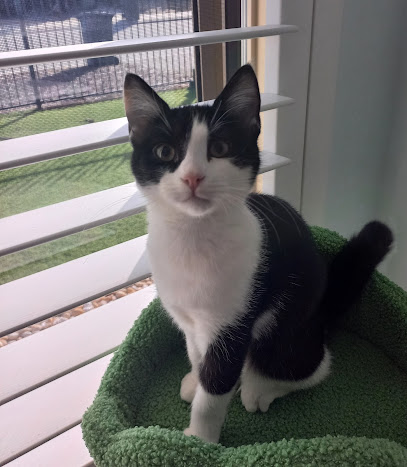
Smaller rescue groups place cats in foster homes rather than kennels. A cat for adoption Perth carers have fostered usually comes with detailed notes on temperament, litter habits, and how it behaves around other pets. Listings appear on PetRescue and the groups’ own pages.
| Option | Best for | Pros | Watch-outs |
| Cat Haven/shelter | Meeting several cats quickly | Many cats, clear process, vet work done | Busier environment |
| RSPCA WA | Welfare-backed adoption | Vet checks, formal process | Availability varies |
| Foster rescue | Temperament detail | Home-based notes on behaviour | Slower application |
| Private rehoming | Direct handover | Maybe cheaper | Vet work may not be done |
Adoption fees in Perth generally run from about $100 to $350, depending on the cat’s age and where you adopt.
Treat the figures below as a guide only. Fees differ between organisations, and adoption drives can temporarily reduce them. Perth shelters regularly run discounted campaigns, especially during kitten season when they are at capacity, so it is worth checking current pricing before you assume a cost.
| Cat | Guide fee | Usually includes |
| Kitten | $200–$350 | Desexing, microchip, first vaccinations, flea/worm treatment |
| Adult cat | $100–$250 | Desexing, microchip, vaccinations, vet check |
| Senior cat | $50–$150 | Desexing, microchip, vaccinations, health notes |
Most fees cover the same core inclusions, which is why they are rarely negotiable outside a formal adoption drive.
Searching for “free cat adoption Perth” listings can turn up cats advertised at no cost, often through private rehoming. Be cautious here. A cat adoption at a Perth, WA shelter charges a fee because the cat is already desexed, vaccinated, and microchipped, which would cost far more at a vet later. A free kitten with none of that done can end up the more expensive option.
Match the cat’s age, temperament, and energy to your home and your routine.
Age and temperament
Think about who the cat will live with before you apply. Foster carers and adoption staff can match you well when you are honest about your situation.
Most options for cat adoption in Perth, Australia, encourage an indoor or contained lifestyle to protect both the cat and local wildlife.
The cat adoption process in Perth is never first-come, first-served. Expect questions about your home, your hours, and your plans, because the aim is a match that lasts the cat’s whole life, not a quick handover.
Unlike much of the country, Western Australia has the Cat Act 2011. It requires cats over six months to be sterilised, microchipped, and registered with your local council. Shelter and rescue cats usually arrive desexed and chipped, so the main job left to you is council registration.
It varies by group. Shelters can sometimes approve an adoption the same day after a meet-and-greet, while foster-based rescues often take a few days to process an application, check your home setup, and confirm the cat is the right fit.
Yes, though many groups ask for written permission from your landlord or property manager first. Having that ready before you apply speeds things up, especially with rescues that require cats to be kept indoors or in a contained run.
Set up the basics first: a litter tray and litter, food and water bowls, quality cat food, a scratching post, a bed, and a carrier for the trip home. A quiet room to settle into for the first few days helps a new cat adjust.
